
A small water leak may not seem like an urgent problem. A dripping faucet, damp spot, or slightly higher water bill can be easy to overlook. However, even a minor leak can become a major issue when it is left untreated.
Hidden leaks can continue for days, weeks, or even months, causing damage that may not become visible until expensive repairs are required. Understanding the potential cost of ignoring a leak can help homeowners take action before a small plumbing problem becomes a serious one.
A Small Leak Can Cause Big Damage
Water doesn’t always stay where the leak begins. It can travel through walls, ceilings, flooring, insulation, and other building materials.
Over time, continuous moisture can weaken materials and create additional problems throughout your home.
What starts as a simple plumbing repair could eventually require:
- Drywall replacement
- Flooring repairs
- Cabinet replacement
- Insulation removal
- Mold remediation
- Water damage restoration
- Structural repairs
The longer the leak continues, the greater the potential for damage.
Higher Water Bills
One of the first signs of a hidden leak may be an unexplained increase in your water bill.
A leaking pipe or fixture can waste water continuously, even when your household isn’t actively using it. While the additional water cost may initially seem small, months of wasted water can add up.
Fixing the source of the leak can help prevent unnecessary water consumption and reduce future utility costs.
Damage to Walls and Ceilings
Leaks behind walls or above ceilings can be particularly difficult to detect.
You may eventually notice:
- Brown or yellow stains
- Bubbling or peeling paint
- Soft drywall
- Sagging ceilings
- Cracks or discoloration
- Musty odors
By the time these signs become visible, moisture may have already affected the materials behind the surface.
Flooring Can Be Damaged
Water beneath flooring can cause significant problems. Hardwood may warp or buckle, laminate can swell, and carpet can remain damp underneath even when the surface appears dry.
Replacing flooring can be considerably more expensive than repairing the original plumbing problem.
Mold and Mildew Risk
Persistent moisture can create an environment where mold and mildew can grow.
Mold may develop in hidden locations, including behind walls, underneath flooring, and inside cabinets. If moisture is not addressed, cleaning the visible mold without fixing the underlying leak may not solve the problem.
Damage to Your Belongings
A leak can also affect furniture, electronics, clothing, important documents, and other belongings.
Water damage can be especially costly when the source is near valuable items or areas used for storage.
Acting quickly may help prevent additional damage and give you a better opportunity to protect affected belongings.
Structural Problems Can Develop
Long-term water exposure can affect wood and other structural materials. While not every leak will cause structural damage, prolonged moisture should never be ignored.
A professional inspection can help determine whether water has spread beyond the immediately visible area.
The Cost of Delaying Repairs
The biggest financial risk of ignoring a leak is that you may eventually have to pay for much more than the original plumbing repair.
For example, fixing a leaking pipe may be relatively straightforward. But if that leak has damaged drywall, flooring, cabinets, insulation, or other materials, the total restoration cost can increase significantly.
In other words, the cheapest time to address a leak is usually when you first discover it.
Signs You Shouldn’t Ignore
Contact a professional if you notice:
- An unexplained increase in your water bill
- Water stains on ceilings or walls
- Damp or soft areas
- Musty smells
- Mold or mildew
- Warped flooring
- Unusual dripping or running-water sounds
- Low water pressure
- Water pooling around plumbing fixtures
- A water meter that moves when no water is being used
These signs don’t always mean you have a hidden leak, but they are worth investigating.
What to Do If You Suspect a Leak
If you notice a possible leak, don’t wait for visible damage to appear.
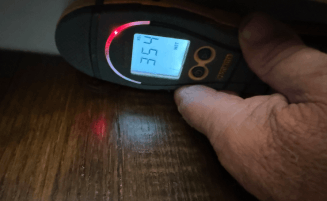
Check accessible plumbing fixtures and connections. If you cannot identify the source, consider having a professional inspect your plumbing system. Specialized leak detection equipment may help locate hidden leaks without unnecessary damage to walls or flooring.
If you have significant water intrusion, address the water source as quickly as possible and seek professional water damage assistance.
Protect Your Home Before a Small Problem Becomes a Major One
Ignoring a leak rarely makes the problem go away. Instead, continued water exposure can increase the risk of property damage, wasted water, mold growth, and expensive repairs.
Early detection and prompt repairs can help protect your home and your budget.
Final Thoughts
A small leak may seem harmless today, but the cost of ignoring it can grow quickly. Paying attention to warning signs and addressing plumbing problems early can help prevent unnecessary damage and expensive restoration work.
If you suspect a hidden leak in your home, don’t wait until you see major water damage. Getting the problem inspected early can help you protect your home and prevent a small leak from becoming a much bigger problem.